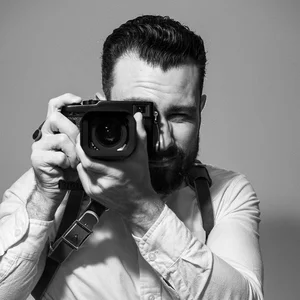
What a Wedding Photographer Actually Does During the Day
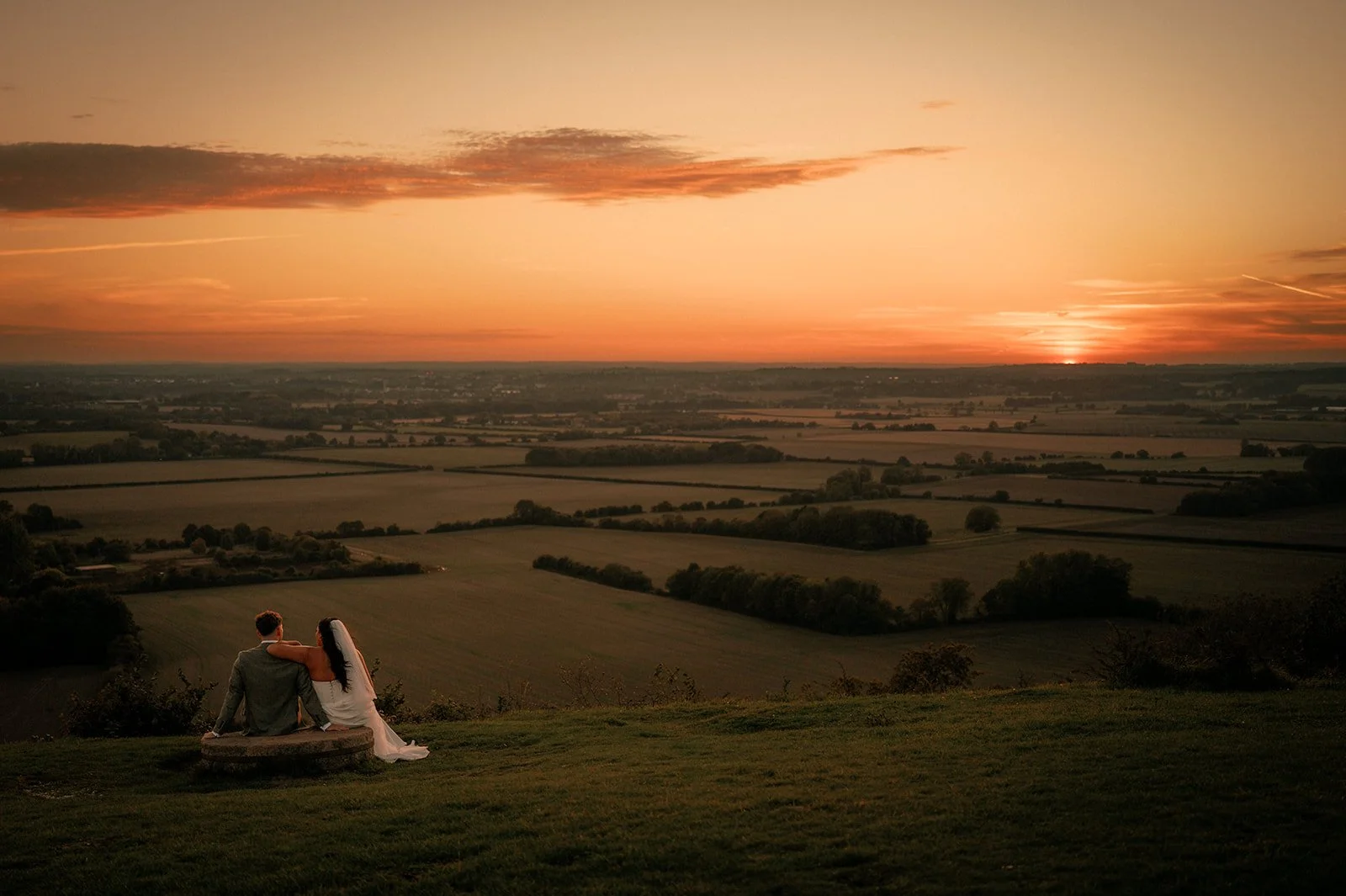
One of the questions couples rarely ask directly, but often wonder about, is what a wedding photographer actually does during the day. Not just which moments are photographed, but how decisions are made, how presence shapes the day, and how meaning is preserved beyond the obvious highlights. My approach is rooted in documentary wedding photography, which means working attentively from within the day rather than directing or reshaping it as it unfolds.
This is how I work during weddings, from the first conversation through to delivery, and why my approach is rooted in presence, preparation, and restraint rather than performance.
The Work Starts Long Before the Wedding Day
The work begins when a couple first gets in touch.
From the outset, I take time to understand who they are and what matters to them beyond the surface of the day itself. I ask questions about what they imagine returning to years from now, not just what they want photographed on the day.
A few months before the wedding, I send a detailed questionnaire. This allows couples to reflect without pressure. We then have a pre-wedding conversation where we talk through those answers and make sure their priorities are clear and centred.
By the time the wedding day arrives, I am not reacting. I am prepared.

If you are early in planning and want a photographer who prepares as carefully as they photograph, you are welcome to get in touch.
Arriving and Reading the Day
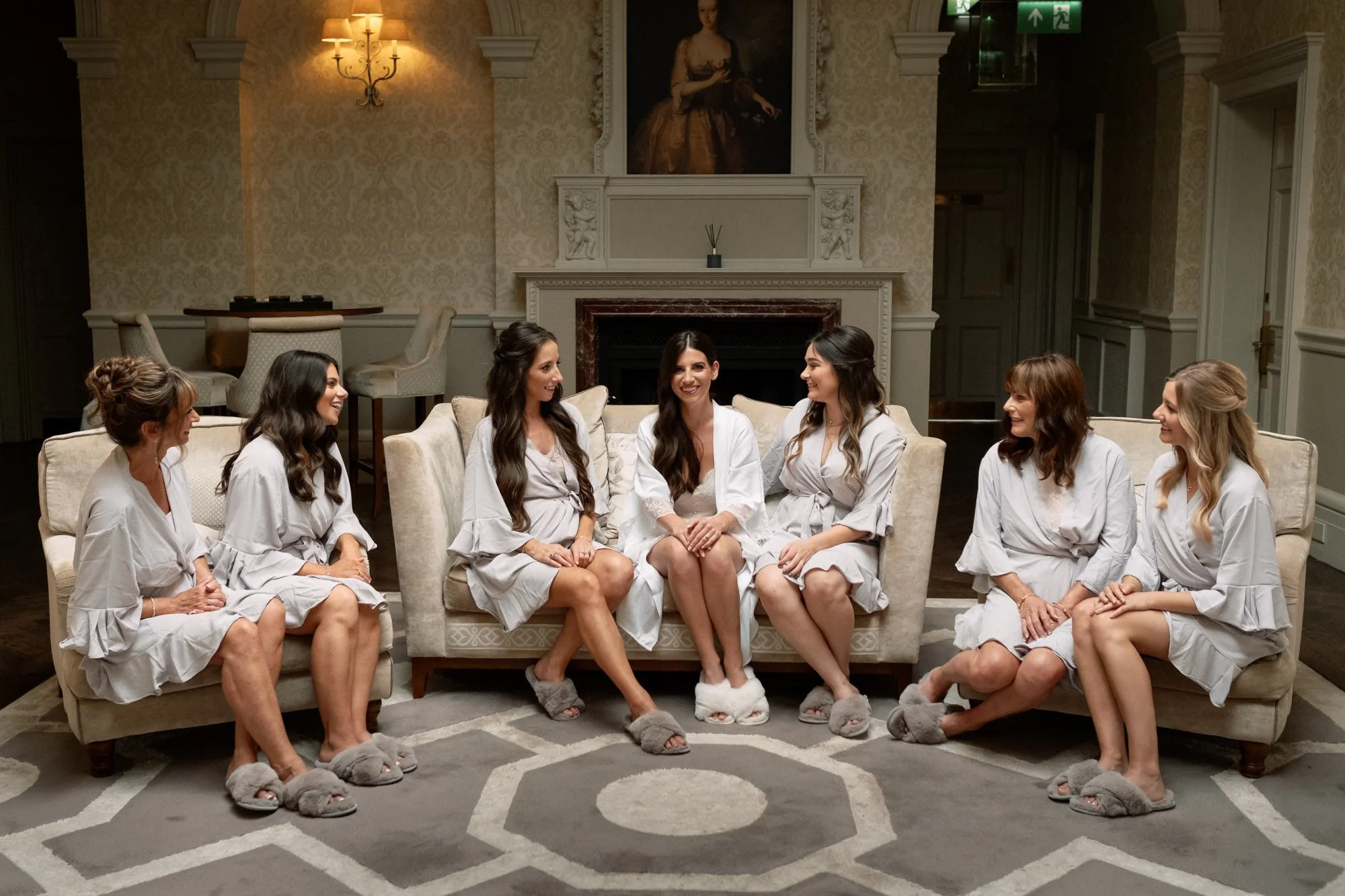
I usually begin coverage a couple of hours before the ceremony. When I arrive, the first thing I do is orient myself. I take note of how the spaces connect, how the light is behaving, and how people are moving through the environment. As a Kent wedding photographer, much of this preparation is shaped by familiarity with local venues, light, and how weddings typically flow across the county.
I introduce myself to the venue team and other suppliers, then spend time with the couple. From that point on, I am fully part of the day, not observing from a distance but moving with it.
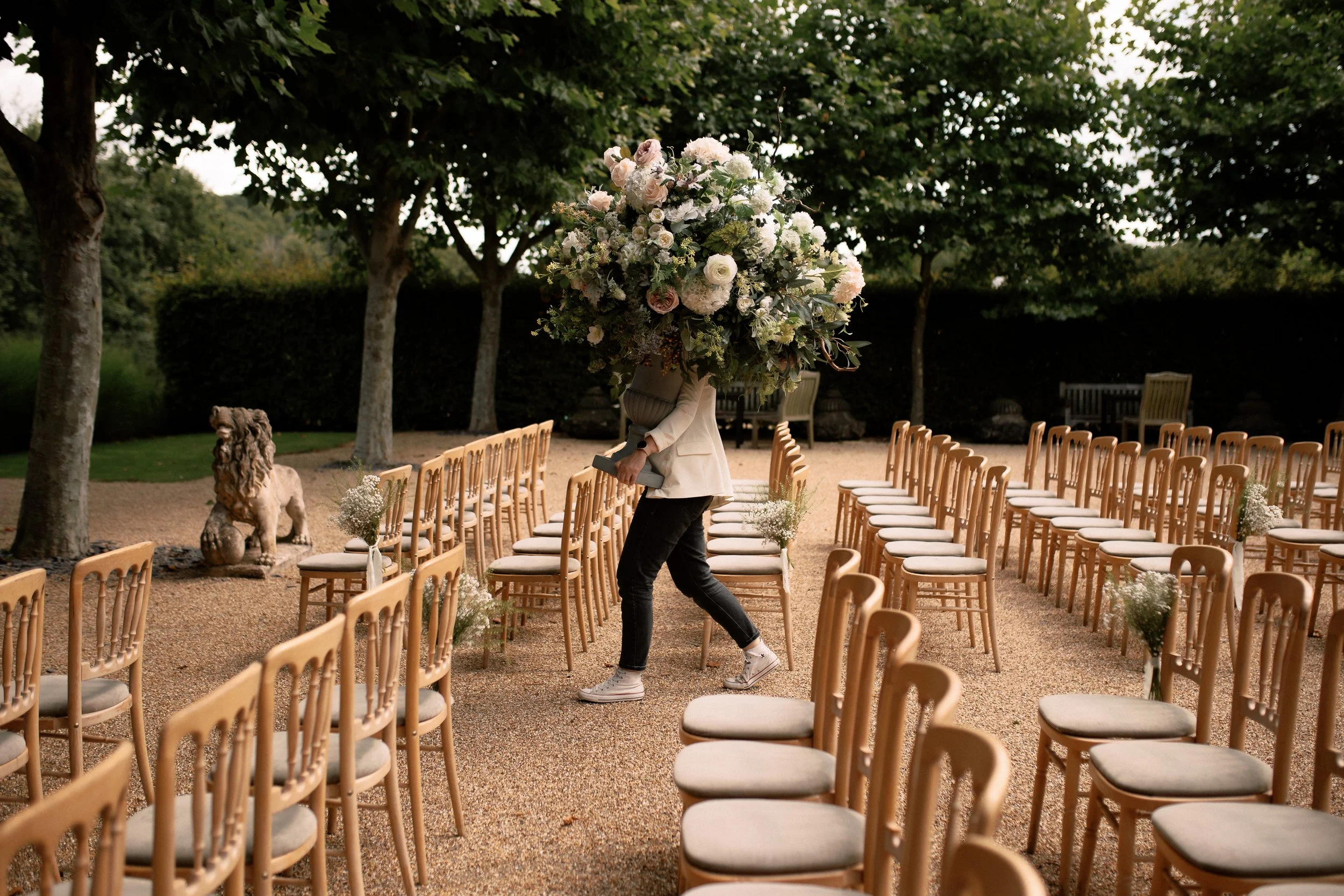
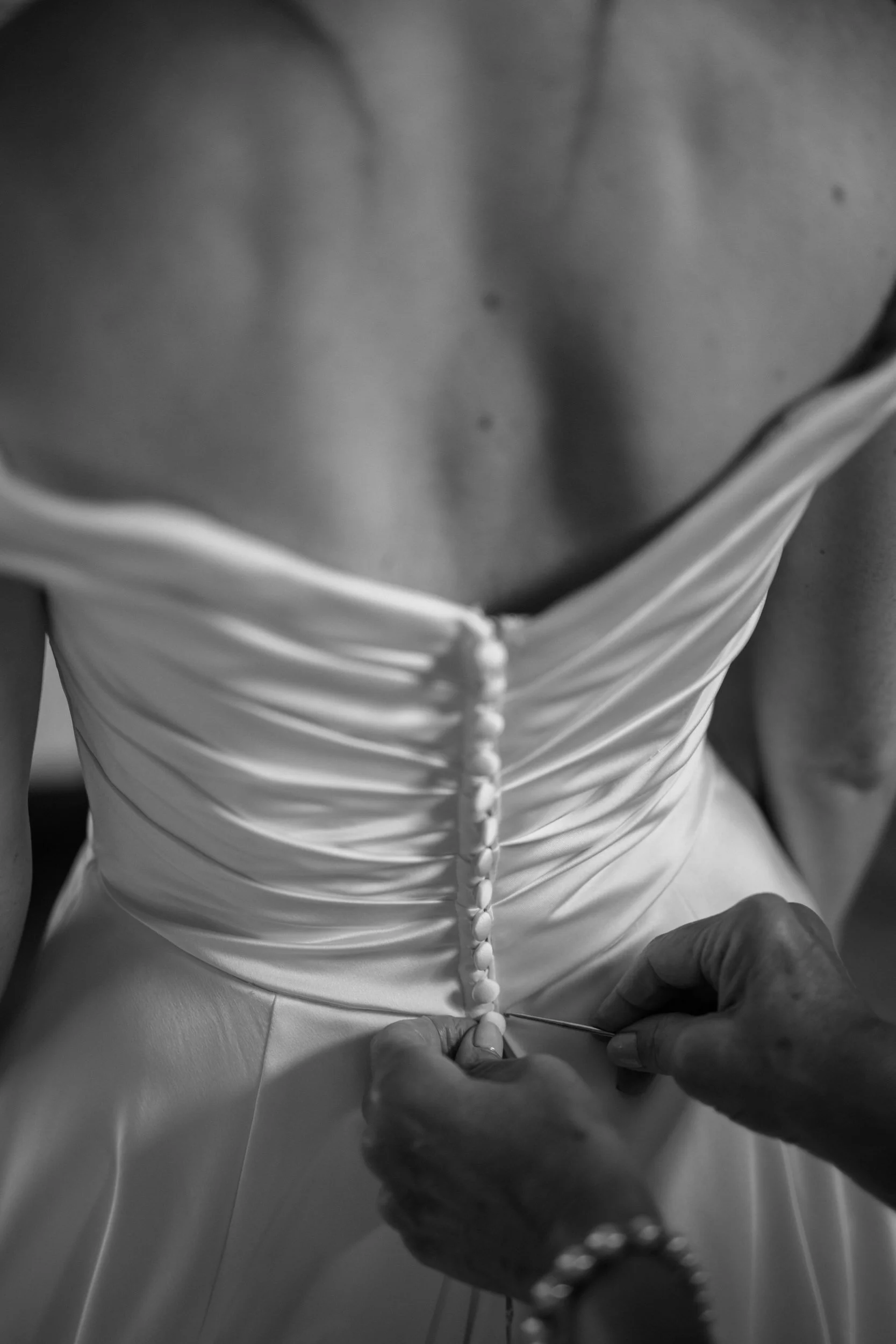
At this stage, I am already attentive to how the story is unfolding. Small interactions. Shifts in energy. The tone being set between people. I photograph the environment not as decoration, but as context, because place and atmosphere matter.

Photographing the Ceremony With Intent and Reverence
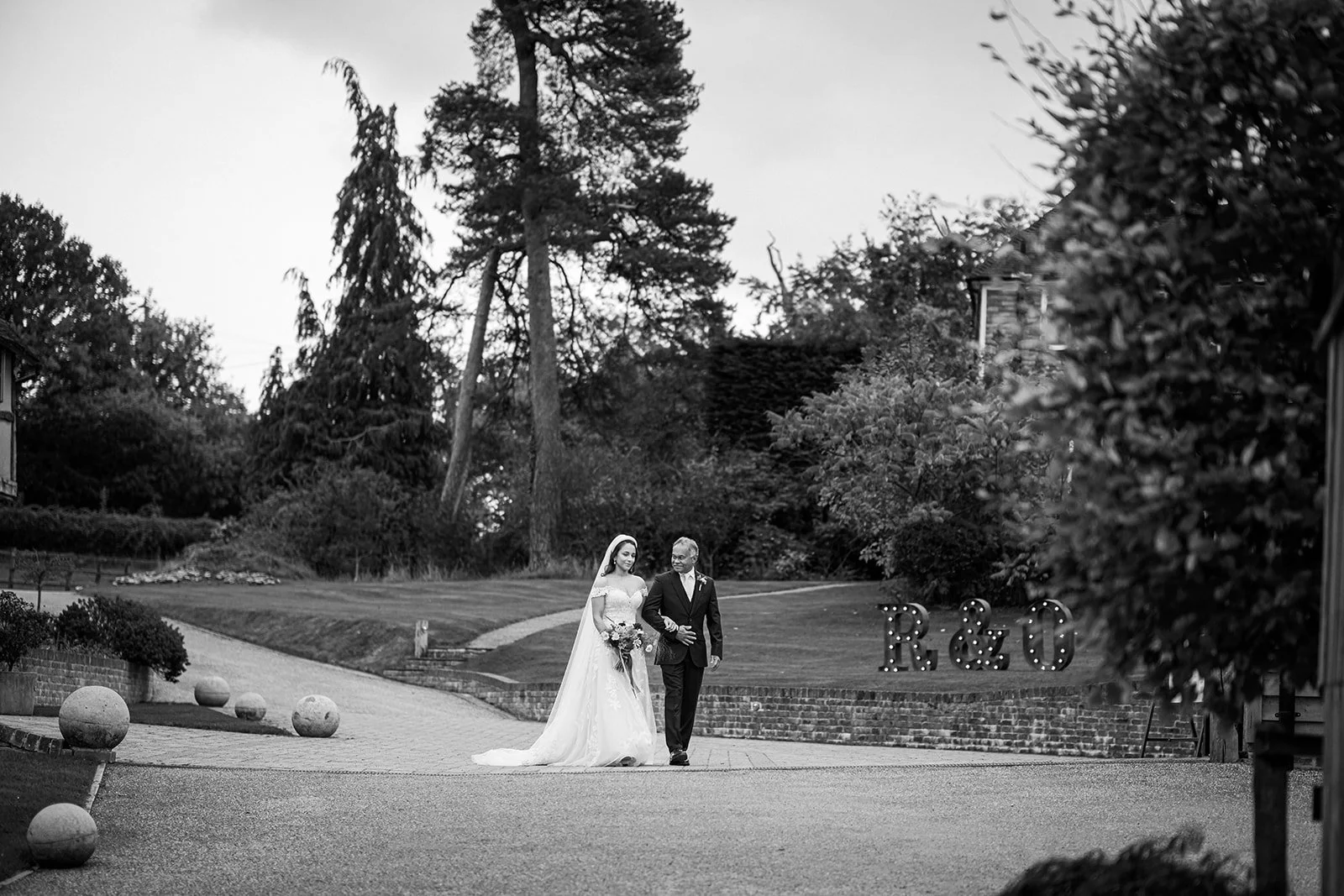
The ceremony is not simply another moment in the day. It is the reason the day exists.
I approach it with the same attentiveness I bring to every other part of the wedding, with the added responsibility that comes from tradition, ritual, and consequence. This is the moment where everything becomes real.
Whether I am working alone or with a second photographer, every movement during the ceremony is considered. If there are two of us, we position ourselves thoughtfully to allow multiple perspectives without distraction. If I am solo, I move only when it will not interrupt the experience, often using quiet routes or waiting until moments naturally pause.
Nothing is rushed. Nothing is treated casually. My aim is to document the ceremony with clarity and respect, without inserting myself into it.

Letting the Day Breathe After the Ceremony
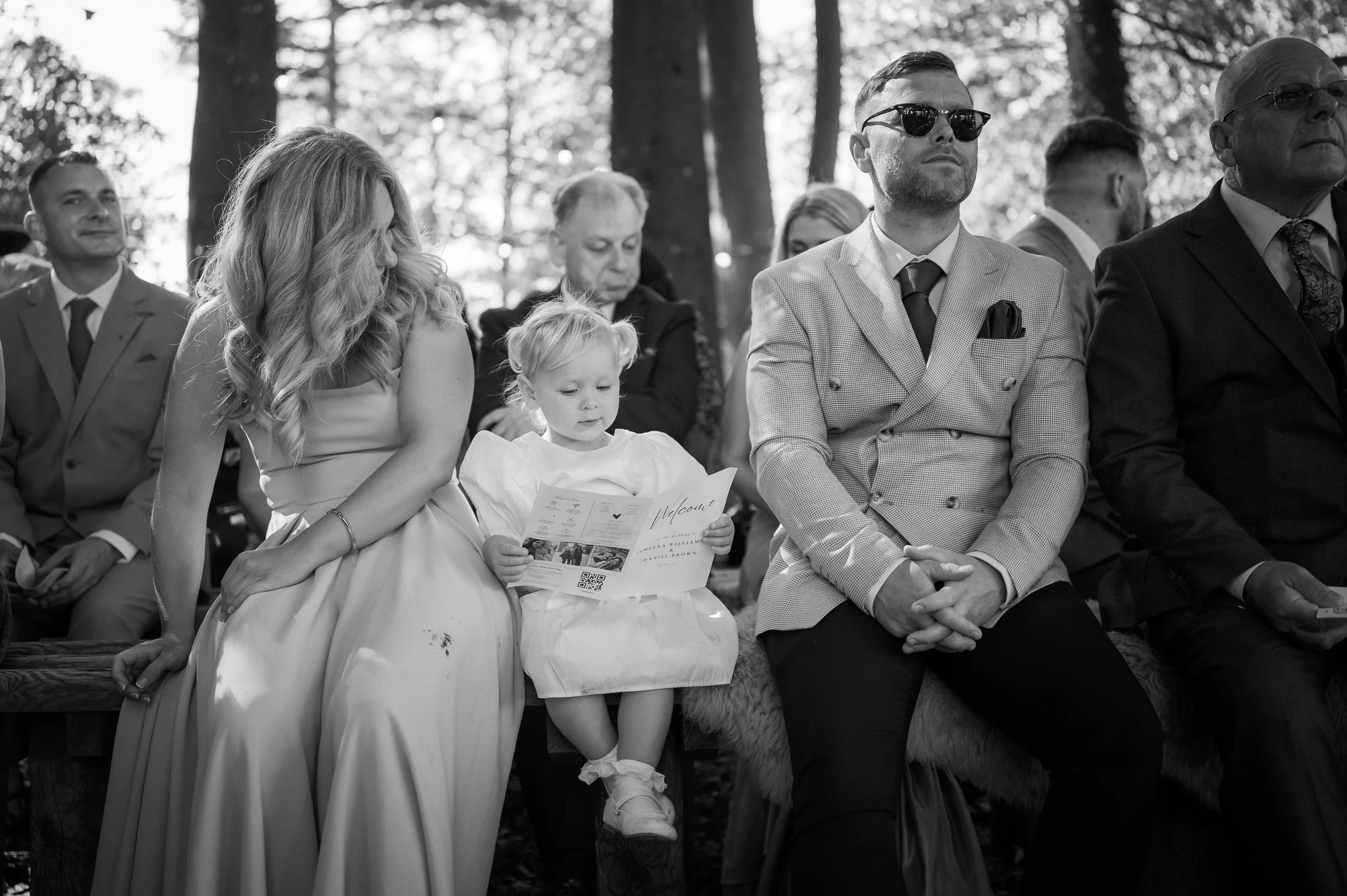
After the ceremony, the day opens out, not because the photography suddenly changes in importance, but because the emotional register shifts.
People relax into themselves. Conversations deepen. Relationships surface. My role here is to stay close enough to photograph those moments as they unfold, while keeping the day moving without interruption.
Group photographs are handled efficiently and calmly, with respect for guests’ time and attention. Once those are complete, I return to working from within the day rather than pulling people away from it.
This is also when I quietly assess light and space. While the day is overwhelmingly documentary, there is a small portion where I will guide the couple gently. This is not about manufacture. It is about placing them in good light, giving them a moment to breathe together, and then stepping back again.


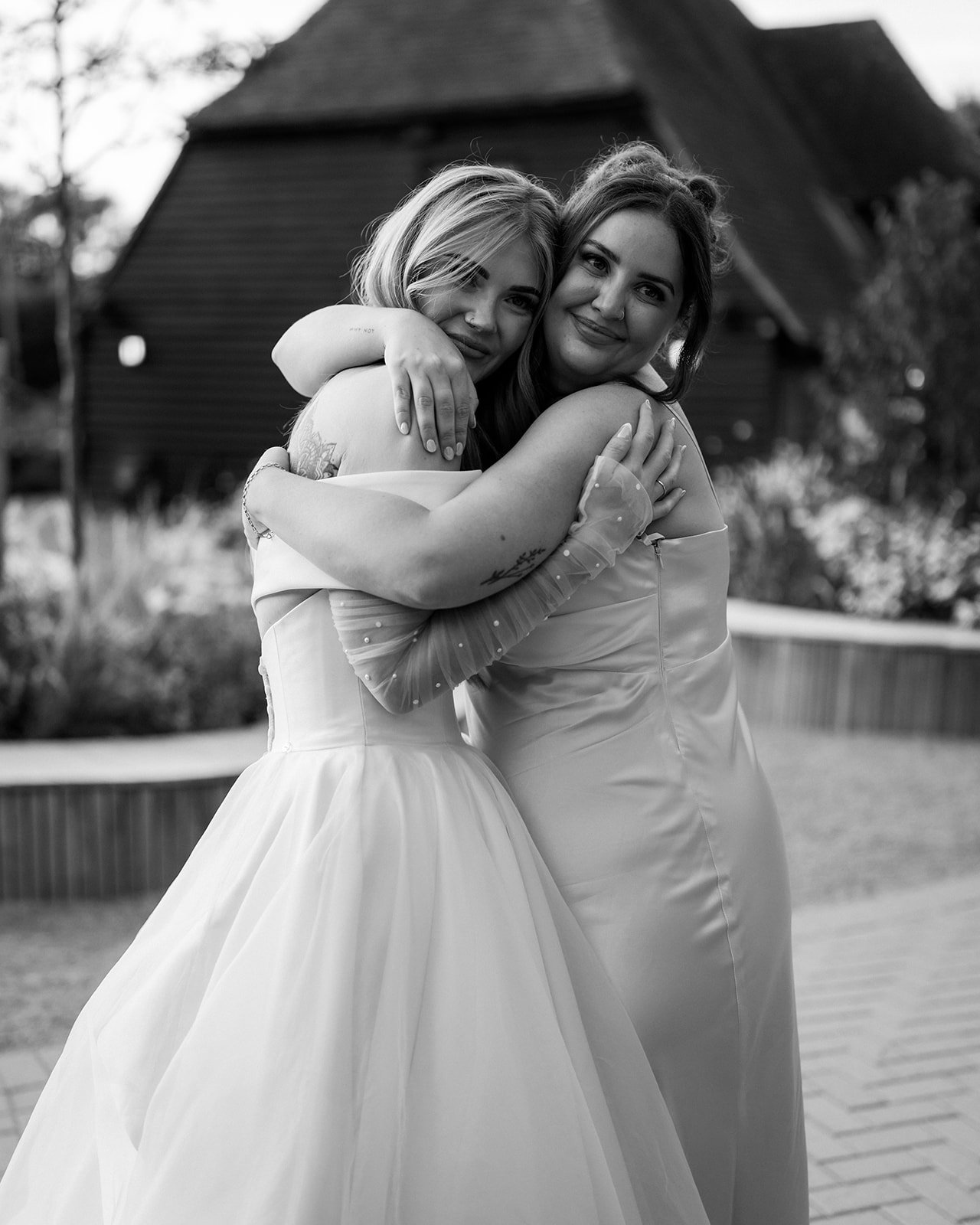


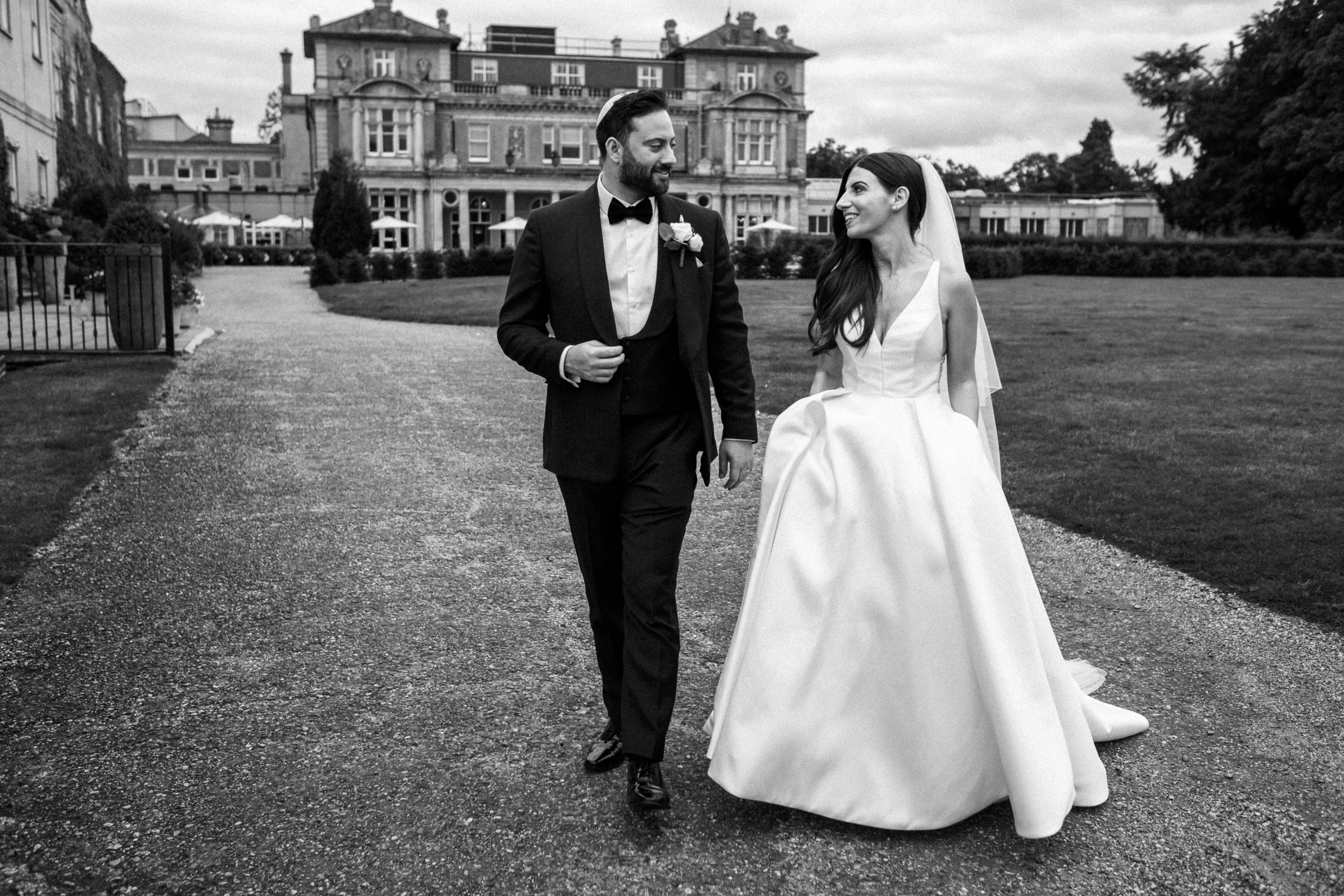


If this balance between documentary coverage and gentle guidance feels right for you, you can read more about how I work during weddings here.
Photographing the Evening From the Inside
As the evening unfolds, my approach does not change.
I am not working from the edges with a long lens. I am present with people. Talking. Laughing. Being close enough that guests forget the camera is there.
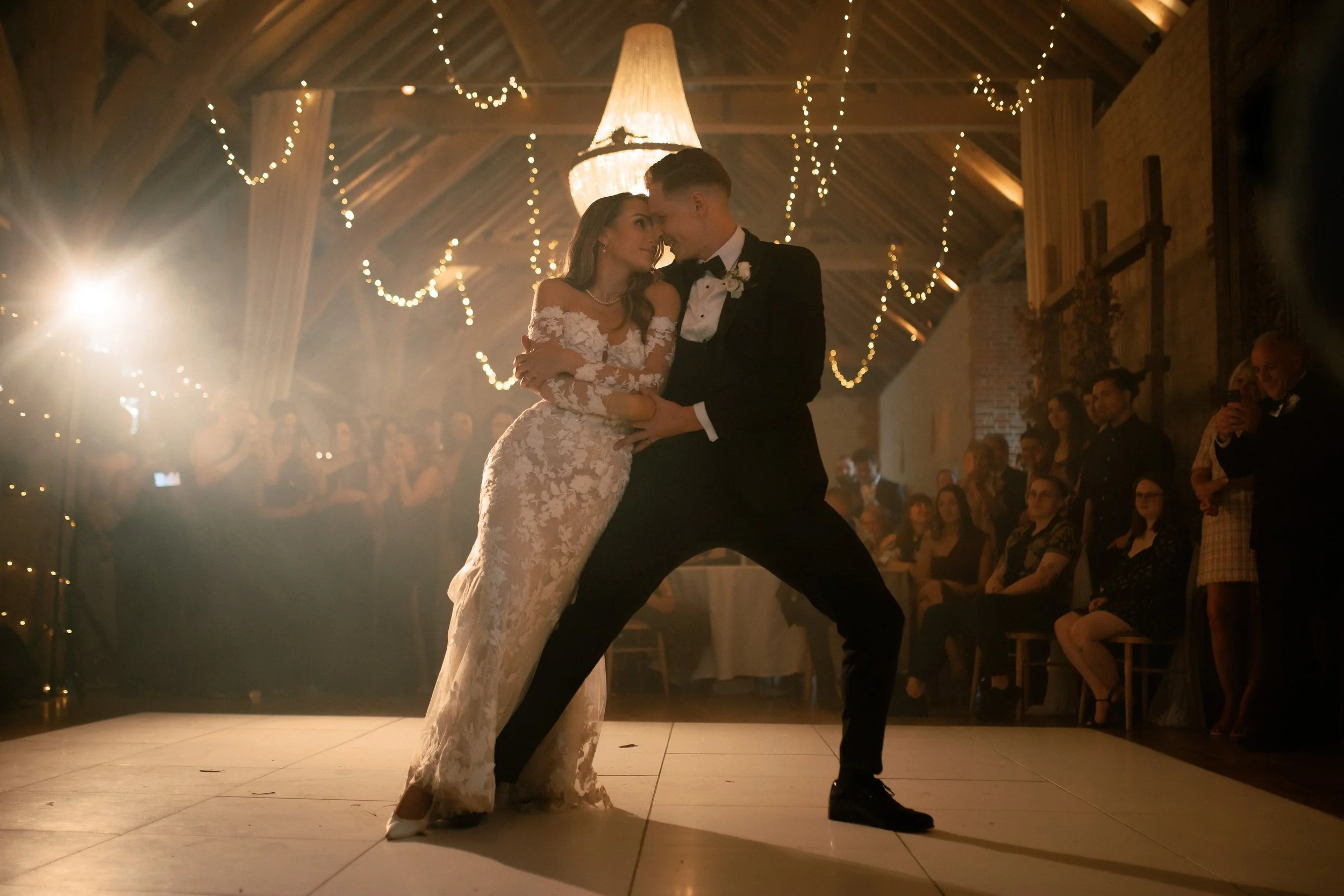
That presence is what allows the photographs to feel relaxed and unguarded. The evening is not a separate chapter. It is a continuation of the same attentiveness that began in the morning.
I stay long enough to photograph the celebration properly. The tiredness, the energy, the joy. These moments often matter more in hindsight than people expect.
How the Day Is Closed, and What Comes Next
Before I leave, I make sure I have photographed everything the couple told me was important, alongside the broader story of the day.
I make a point of saying my goodbyes earlier in the evening, before I am ready to leave, so I do not have to interrupt the dance floor or pull the couple away from the celebration.
Once home, the photographs are backed up immediately, in multiple places.
Within the following week, I send a small set of previews. Just a handful of photographs that reflect the tone of the day. The full gallery is curated carefully and delivered privately within four to eight weeks, edited with consistency and intent.


What Still Holds Meaning Years Later
Years on, couples rarely talk about coverage lengths or technical details. They talk about how the photographs feel. Who is present. What they remember.
My job during the day is to safeguard that future experience. To photograph with care, restraint, and involvement, without ever turning the wedding into a production.
That is what a wedding photographer actually does during the day.
Frequently Asked Questions About What a Wedding Photographer Does
-
Before the ceremony, I am reading the pace of the day, understanding how people are interacting, and documenting the atmosphere as it builds. This includes contextual photographs, early interactions between family members, and moments that quietly set the tone for what follows. Much of this work is shaped by the priorities couples have shared with me in advance.
-
DescrA documentary wedding photographer works with restraint and intent. Movement is considered carefully, positioning is chosen quietly, and decisions are made in real time to avoid interruption. The aim is to document the ceremony as it is experienced, with respect for its tradition and significance, rather than directing or staging moments.
-
DescriptioMy approach is overwhelmingly documentary. The day is photographed as it naturally unfolds. There is a small portion where I offer gentle guidance, usually later in the day in good light, but this is never about recreating moments or asking people to repeat things. It is about simplicity and ease.
-
That depends on what matters most to the couple. I typically stay long enough to document the evening properly, including the energy and celebration that unfolds later on. I make a point of saying my goodbyes earlier in the evening so that I can leave without interrupting the dance floor.
-
Over time, couples tend to value photographs that reflect how the day felt rather than how it was styled. Images of people, relationships, and small moments often become more meaningful than expected, particularly when they reflect genuine interactions rather than performance.
If you are looking for a photographer who works from within the day, values preparation, and treats every part of your wedding with equal seriousness, you are welcome to get in touch here.